How to Choose the Best Digital Menu Display Software for Your Restaurant: Key Features and Benefits
Choosing the right digital menu display software for your restaurant can significantly enhance your operations, improve customer experience, and drive sales. In an increasingly digital world, managing how your menu is presented becomes essential. This article outlines key considerations, helping you decide on a system that meets your specific restaurant needs. Key features like real-time updates, integration with Point of Sale (POS) systems, and customization options are vital for effective menu management. By understanding these factors, you can ensure your digital menu software aligns with your business goals.
The following sections will cover critical features to look for in digital menu software, the associated benefits of adopting these systems, and implementation considerations to keep in mind. Additionally, we will highlight essential features your software should possess and benefits gained from using interactive digital menu boards.
Key Features
When evaluating digital menu display software, several features stand out as pivotal to your restaurant's success. These features enhance user engagement and operational efficiency, driving customer satisfaction and loyalty. Key features to consider include:
- Instant Menu Updates: This feature allows you to modify your menu in real-time, enabling quick responses to changes in pricing or item availability.
- Daypart Scheduling: Tailor your menu to specific times of the day, ensuring customers see meals that reflect their preferences, such as breakfast options in the morning and dinner selections at night.
- Integration with POS Systems: Seamless integration helps synchronize sales data and inventory management, reducing discrepancies and streamlining operations.
Digipal Signage's digital menu software options can assist restaurants in effectively implementing these features, making menu management more efficient and engaging.
Benefits
The advantages of using digital menu software go beyond aesthetics; they have a tangible impact on sales and customer experience. Some key benefits include:
- Increased Sales: Numerous studies indicate that implementing digital menus can lead to a significant increase in overall sales.
- Reduced Perceived Wait Times: With dynamic content that changes based on customer preferences, digital menus can make the decision-making process quicker.
- Higher Upsell Revenue: Digital displays allow for the easy promotion of high-margin items, boosting upselling opportunities.
Research indicates that a significant percentage of restaurant owners report a measurable boost in sales after moving to digital menus. This improvement in sales aligns directly with enhanced customer experiences, making it a worthwhile investment.
Implementation Considerations
While the benefits of digital menu software are undeniable, implementing such systems requires careful consideration. Factors to keep in mind include:
- User-Friendly Interface: Ensure that the software has an intuitive interface that your staff can easily navigate.
- Integration with Existing Systems: Compatibility with your current POS and other management systems will minimize disruptions and maximize efficiency.
- Support and Training: Opt for software providers, like Digipal Signage, that offer robust customer support and training resources to maximize your system's potential.
What Essential Features Should Your Digital Menu Software Have?
When selecting digital menu software, focus on these essential features to ensure it meets your restaurant's operational needs effectively:
- User-Friendly Interface: Simplified navigation helps staff make quick adjustments as needed.
- Multi-Location Management: If you operate multiple locations, consider software that provides centralized control over menus across all sites.
- Customization Options: Look for software that allows for branding and adjusts the look and feel to match your restaurant's theme.
Which Cloud-Based Capabilities Enhance Menu Management?
Cloud-based capabilities significantly enhance menu management for modern restaurants. Key features include:
- Instant Menu Updates: Cloud systems allow for rapid changes to menu items, pricing, and promotions.
- Daypart Scheduling: Schedule specific menu items to appear during designated times easily.
- Offline Playback: This feature ensures your menus remain visible even in case of an internet disruption.
How Do Real-Time Updates Improve Restaurant Operations?
Real-time updates play a crucial role in the effectiveness of digital menu systems:
- Operational Efficiency: Quick updates allow restaurants to adjust menus based on fresh ingredients and promotional offers without delay.
- Promotional Flexibility: Quickly highlight seasonal items or special deals to enhance profitability.
- Enhanced Customer Experience: Customers appreciate the freshness of a menu that reflects current offerings, improving overall satisfaction. Recent evaluations show that menu updates through digital displays can be significantly faster than with printed signage.
How to Evaluate Pricing Options for Restaurant Digital Menu Boards?

Pricing for digital menu boards can vary widely based on multiple factors. Key elements to consider include:
- Screen Count: Assess the number of screens needed for your restaurant layout and customer flow.
- Feature Set: Understand which features are included in the pricing to determine overall value.
- Support and Training: Check if post-sale support and training are part of the package, as these can add value.
What Does Typical Restaurant Digital Menu Board Pricing Include?
Understanding the cost factors associated with digital menu boards is crucial when evaluating your options. Typically, pricing may include:
- Hardware Costs: The price for screens and mounting equipment.
- Software Licensing Fees: Recurring costs for software that manages digital content.
- Installation Charges: Fees related to setting up the hardware and software.
By considering each of these elements, you can better anticipate your investment.
How to Compare Cost Versus ROI for Digital Menu Software?
Evaluating the return on investment (ROI) for digital menu solutions involves several considerations:
- Identify Costs: Pinpoint all costs associated with the software, including initial setup and ongoing fees.
- Estimate Potential Revenue Increases: Consider how much additional revenue digital menus could generate based on increased sales and improved customer experiences.
- Calculate ROI: Use this data to compare the cost against the potential financial benefits, determining if the software meets your budget and revenue expectations.
What Are the Benefits of Using Interactive Digital Menu Boards in Restaurants?
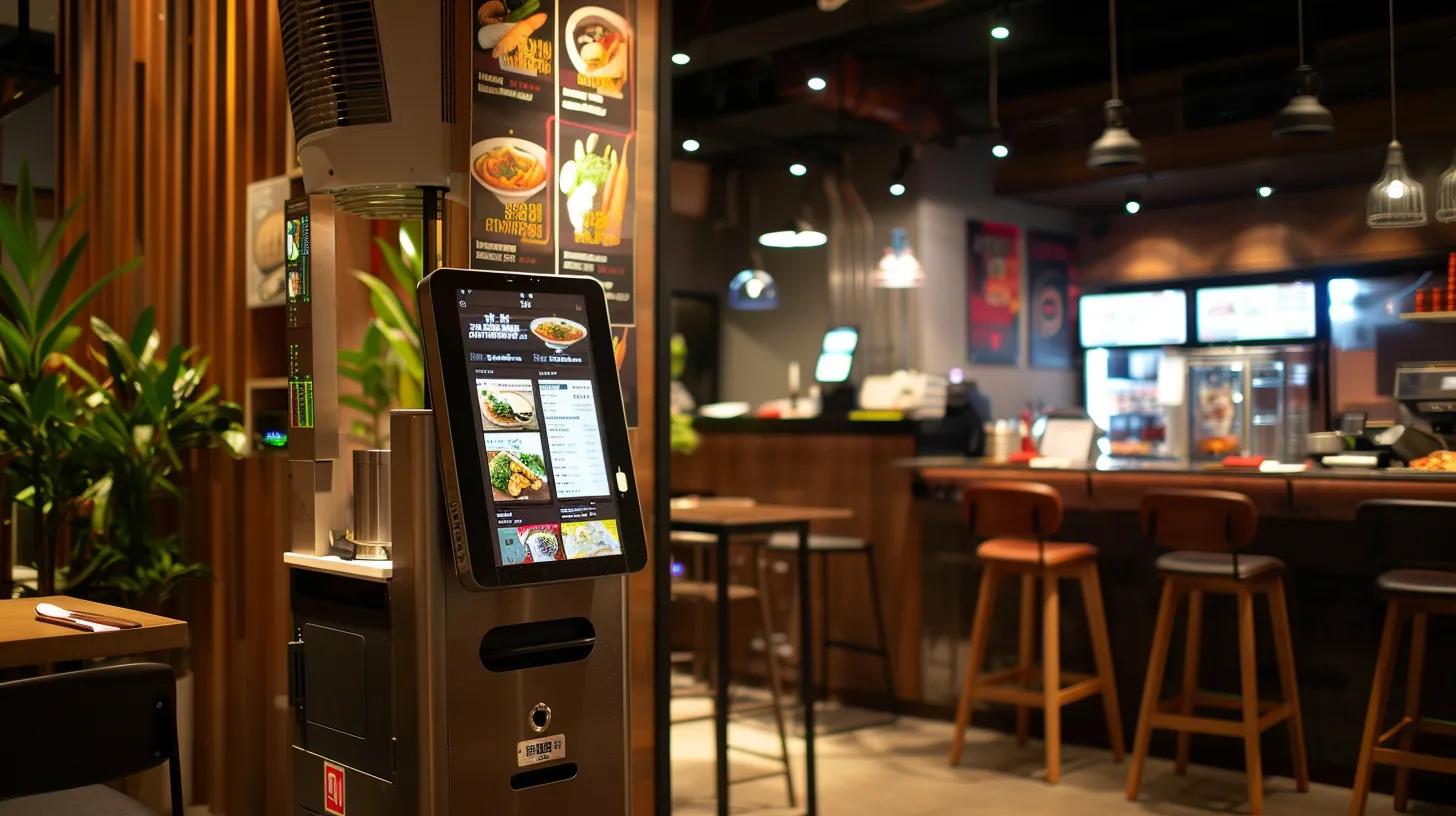
Interactive digital menu boards enhance customer engagement and streamline decision-making processes. Key advantages include:
- Customer Engagement: Visual and interactive elements keep customers engaged, resulting in longer dining experiences and higher potential spend.
- Sales Increase: By enabling customers to explore menu items interactively, restaurants can foster higher check averages.
- Ease of Updates: Changes to the menu are quick and easy, allowing restaurants to stay relevant with trends or seasonal items.
How Does Interactivity Enhance Customer Experience?
Interactivity offers numerous enhancements to the dining experience:
- Customization Options: Customers enjoy the ability to customize meals directly through interactive screens.
- Dynamic Promotions: Promote meals dynamically based on user interactions, increasing interest and sales.
- Real-Time Updates: Changes can be made on the fly, ensuring customers always see the most accurate menu options.
What Operational Advantages Do Interactive Menus Provide?
Implementing interactive menus provides various operational benefits:
- Efficiency: With fewer staff required to take orders manually, overall efficiency can increase.
- Impact on Revenue: The ability to feature promotions or suggest pairings can positively impact profitability.
- Promotional Flexibility: Easily adapt your menu based on current trends or customer interests.
How Can Digital Menu Software Integrate with POS and Other Systems?
Integration is crucial for maximizing the value of your digital menu software. Key advantages include:
- Real-Time Order Routing: Streamlines order processing from digital displays to the kitchen seamlessly.
- Instant Price Updates: Ensures that any price changes in the system are reflected on the digital menu instantaneously.
- Daypart Scheduling: Facilitates the scheduling of menu items to align with customer preferences throughout the day.
What POS Integration Features Are Crucial for Restaurants?
Critical POS integration features play a significant role in successful implementations:
- Real-Time Price Updates: Automates price adjustments based on ingredient costs and specials.
- Daypart Scheduling: Sync menu changes automatically based on the time of day.
- Multi-Location Management: Controls varying menu options across different locations from a centralized software.
How Does Integration Support Multi-Location and Team Management?
Effective integration fosters collaboration across multiple restaurant locations by ensuring every site can access centralized updates:
- Centralized Updates: Changes can be made universally, reducing errors and discrepancies.
- Reduced Errors: Automatic syncing minimizes risks of human error between locations.
- Increased Sales: A unified approach helps in strategizing promotions and customer engagement methods across all sites.
By focusing on these considerations, restaurants can select and implement the best digital menu display software that enhances efficiencies while matching their business goals.